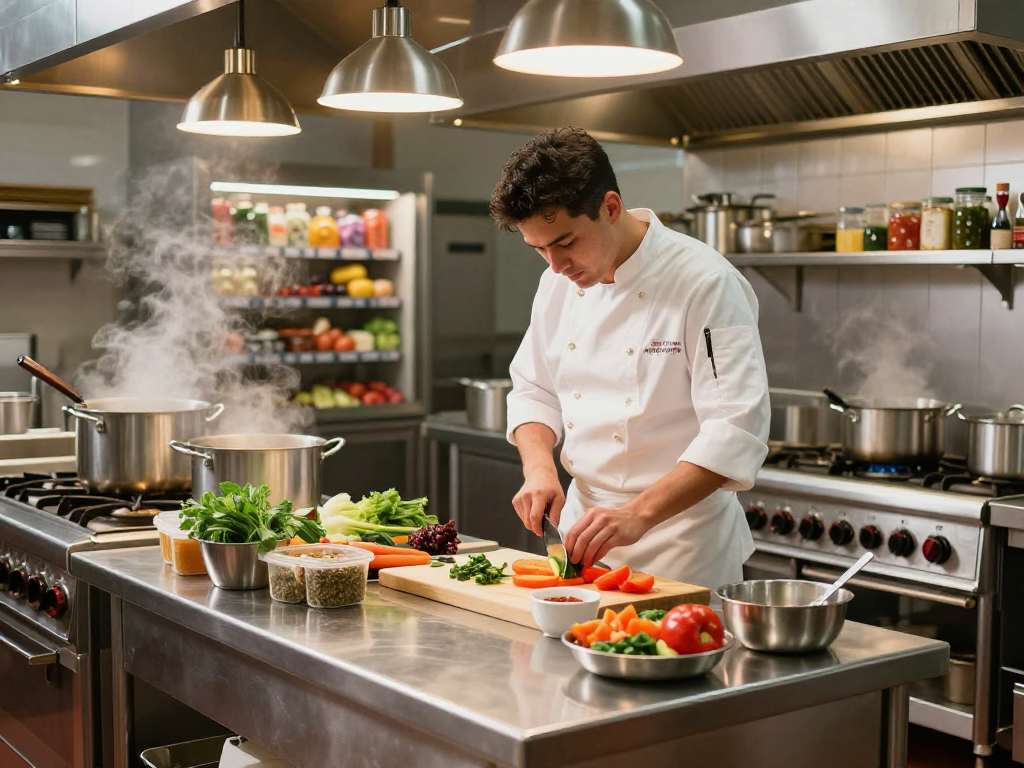
The Importance of Stainless Steel Kitchen Tables in Professional Cooking
In the world of culinary arts, time and efficiency are of the essence, particularly in busy commercial kitchens. Stainless steel kitchen tables have emerged as a favored choice among chefs and kitchen staff, owing to their numerous advantages over traditional materials. Not only do they provide a robust work surface, but they also enhance hygiene and streamline workflow. When exploring options, Stainless Steel Kitchen Tables offer comprehensive insights into the best choices for culinary professionals, combining functionality with ease of maintenance.
Why Chefs Prefer Stainless Steel Kitchen Tables?
Chefs gravitate towards stainless steel kitchen tables for several compelling reasons. First and foremost, the material is known for its durability. Stainless steel can withstand the rigors of a bustling kitchen, resisting dents, scratches, and other types of damage that could compromise the integrity of the work surface. Additionally, this material is non-porous, preventing bacteria and contaminants from seeping into its surface, which is crucial for maintaining food safety standards.
Moreover, stainless steel tables provide an aesthetically pleasing look that complements modern kitchen designs. Their sleek surface can be easily integrated into various kitchen layouts, enhancing both functionality and style. For chefs focused on presentation and efficiency, stainless steel tables create a professional environment conducive to creativity and culinary excellence.
Durability and Maintenance of Stainless Steel Tables
Durability is a critical consideration in any commercial kitchen, and stainless steel tables excel in this area. The thickness of the steel used varies, with most professional-grade tables constructed from 16-gauge or 18-gauge stainless steel, offering formidable resistance to wear and tear. Unlike wooden tables, which can warp or crack over time, stainless steel maintains its shape and usability even under heavy load and frequent use.
Maintenance of these tables is relatively straightforward. A simple mixture of mild soap and water can keep the surface clean, while regular polishing with appropriate stainless steel cleaners can maintain its shine. However, it is vital to avoid abrasive materials that could scratch the surface. Following these guidelines will ensure that stainless steel kitchen tables remain in peak condition for years, representing a valuable investment for any commercial kitchen.
Enhancing Kitchen Workflow with Stainless Steel Solutions
Stainless steel kitchen tables significantly enhance workflow in various ways. They can be configured in diverse layouts to optimize space according to the kitchen's specific needs. For example, L-shaped tables can be utilized for prepping, while U-shaped configurations may facilitate collaboration among chefs by providing ample work surface.
Furthermore, many stainless steel tables are designed with built-in features, such as under-shelves or drawers, promoting better organization and reducing clutter. The integration of these storage solutions allows for easy access to essential tools and ingredients, streamlining the cooking process and improving overall kitchen efficiency.
Key Features of Stainless Steel Kitchen Tables
Production Materials and Standards for Tables
The manufacturing standards of stainless steel kitchen tables are paramount in determining their quality and durability. Most high-quality tables are made from Type 304 stainless steel, which contains chromium and nickel, providing excellent resistance to corrosion and oxidation. Understanding these production materials will help chefs and kitchen managers make informed decisions about their kitchen equipment.
Design Variations: Size and Configuration Options
Design flexibility is one of the notable benefits of stainless steel kitchen tables. They come in various sizes and configurations to cater to different kitchen layouts. Whether opting for a compact table for a small bistro or expansive units for larger restaurants, there are designs available to meet any need. Adjustable feet and modular designs also facilitate customization, enabling tables to be fitted into even the most challenging spaces.
Integrating Storage Solutions with Kitchen Tables
Modern stainless steel kitchen tables often incorporate integrated storage solutions, which can greatly enhance kitchen efficiency. These units typically feature drawers, shelving, or cabinets that provide essential storage space for utensils, cookware, and ingredients. By minimizing the need to move around the kitchen for supplies, chefs can focus more on their culinary tasks, ultimately increasing productivity.
Common Challenges with Stainless Steel Kitchen Tables
Addressing Surface Scratches and Dents
While stainless steel is durable, it is not entirely impervious to damage. Surface scratches and dents can occur, especially in high-traffic kitchens. To address these issues, it is advisable to employ a gentle cleaning approach and to avoid using hard objects for chopping or cutting directly on the table. For deeper scratches, more abrasive methods may be necessary, but care should be taken to preserve the overall finish.
Managing Surface Temperature in High-Volume Kitchens
In busy kitchens, temperature management can be a challenge, particularly with metal surfaces. Stainless steel can become hot to the touch if exposed to heat sources for prolonged periods. Chefs should consider using heatproof mats or trivets to protect the table surface when working with hot pans, ensuring both safety and longevity of the table.
Cleaning and Sanitizing Best Practices
Maintaining a sanitary workspace is essential in any kitchen. Stainless steel tables require routine cleaning with disinfectants that are safe for food preparation areas. It's crucial to follow up cleaning with proper sanitization to eliminate any lingering bacteria. Regular maintenance not only preserves the table's appearance but also supports food safety protocols.
Choosing the Right Stainless Steel Kitchen Tables
Evaluating Your Kitchen Space and Needs
When selecting stainless steel kitchen tables, it is vital to evaluate your kitchen space and specific needs. Consider the layout, available space, and the nature of your cooking operations. Tables should be chosen not only for their size but also for their functionality—whether that’s for prep work, serving, or storage. Efficient use of space can dramatically improve workflow.
Comparing Brands and Models in 2026
As the kitchen equipment market evolves, comparing various brands and models is essential for making an informed purchase. Researching reviews and product specifications can provide insights into performance, durability, and value. In 2026, many brands are introducing innovative features, making this analysis crucial for ensuring that you invest in quality products that meet your operational requirements.
Budget Considerations for Investment
Budget is always a consideration when outfitting a commercial kitchen. Stainless steel kitchen tables range in price depending on size, design, and brand. It is essential to balance cost with quality; while cheaper options may save money in the short term, investing in high-quality tables can lead to long-term savings through durability and reduced replacement needs.
Future Trends in Kitchen Renovations
Sustainable Materials and Innovations in 2026
As sustainability becomes increasingly crucial in the culinary world, the trend towards eco-friendly materials is emerging in commercial kitchens. Stainless steel is already a recyclable material, but innovations are expected to enhance its sustainability further, such as utilizing post-consumer recycled content and developing manufacturing processes that reduce environmental impact.
Smart Kitchen Technology Integration with Stainless Steel
The rise of smart kitchen technologies is also influencing the design of stainless steel kitchen tables. New models are incorporating smart features, such as built-in scales and temperature gauges, creating a more streamlined cooking experience. These integrations can help chefs maintain precise measurements and temperatures, further enhancing food quality.
Designing for Efficiency: Layout Trends and Recommendations
As kitchen design continues to evolve, efficiency remains a fundamental focus. Trends for 2026 suggest that kitchen tables should be integrated closely with other kitchen elements, facilitating easy access to ingredients and tools. Open layouts and island configurations are becoming more popular, allowing for better collaboration among kitchen staff and optimizing cooking workflows.
What are the advantages of stainless steel kitchen tables?
Stainless steel kitchen tables offer a multitude of advantages, including durability, hygiene, and ease of maintenance. Their non-porous surface is resistant to bacteria, making them ideal for food preparation. Additionally, their robust construction can withstand the demands of high-volume kitchens.
How do I maintain my stainless steel kitchen table?
To maintain your stainless steel kitchen table, clean it regularly with mild soap and water. Avoid abrasive cleaners or scouring pads that can scratch the surface. For routine sanitization, use food-safe disinfectants and ensure that you dry the surface to prevent water spots.
What size kitchen table is best for a commercial kitchen?
The size of the kitchen table best suited for a commercial kitchen depends on the space available and the volume of food being prepared. When designing the layout, ensure that there is enough surface area for multiple chefs to work simultaneously without hindrance.
Are there eco-friendly options for stainless steel?
Yes, many manufacturers are developing eco-friendly stainless steel options that incorporate recycled materials and sustainable practices in their production. It's worth researching brands that prioritize sustainability to make an environmentally conscious choice.
What are the cost factors for stainless steel kitchen tables?
Cost factors for stainless steel kitchen tables include the thickness of the steel, design features, size, and brand reputation. Investing in higher-quality tables may require a larger upfront cost but can result in savings over time due to their longevity and reduced maintenance needs.